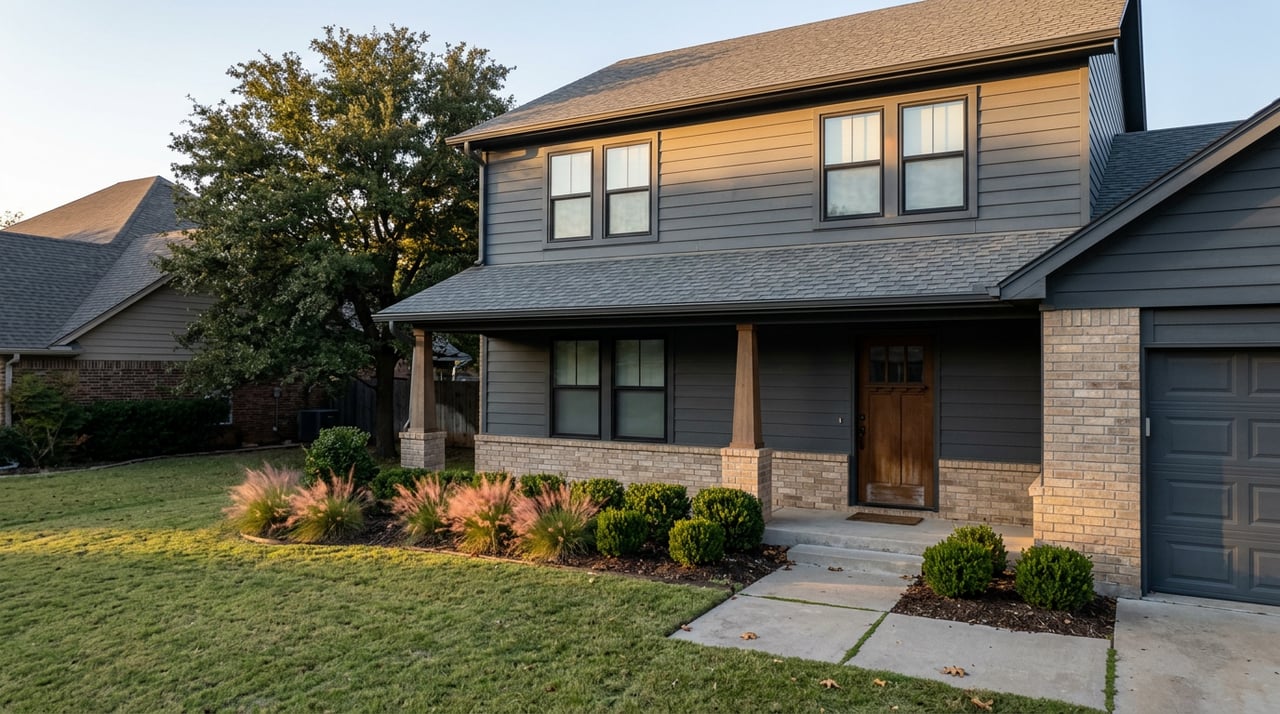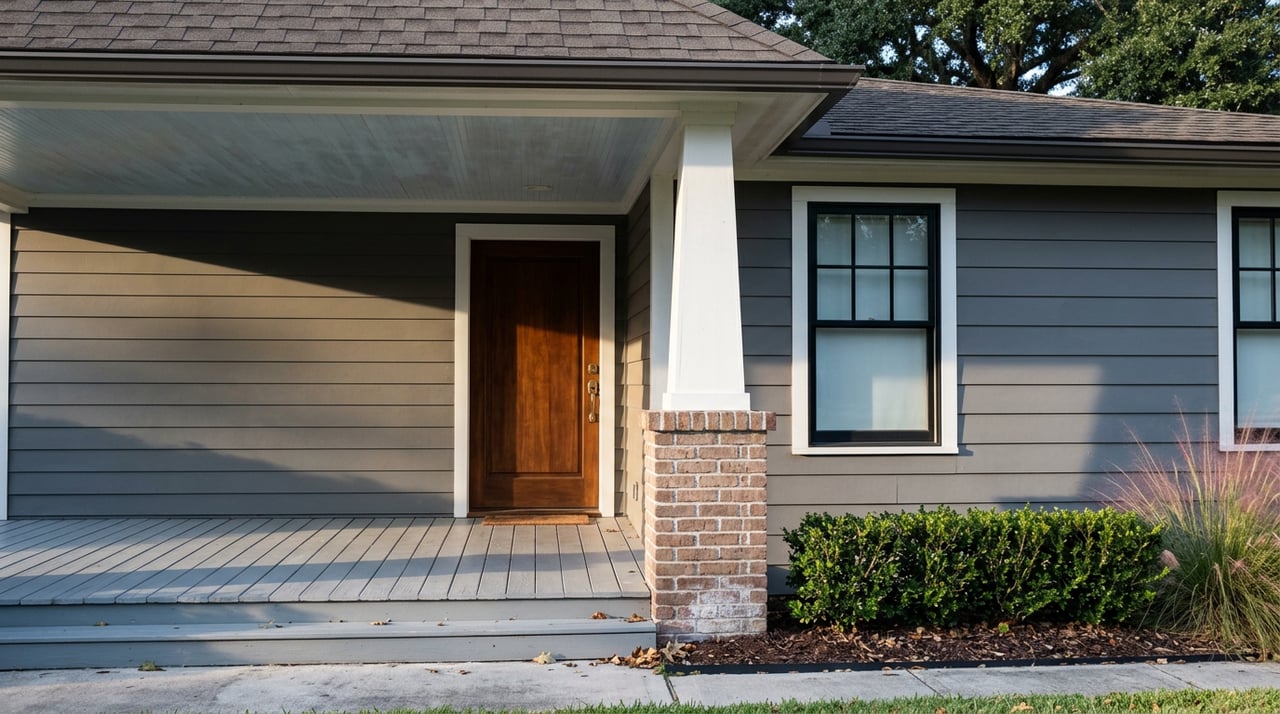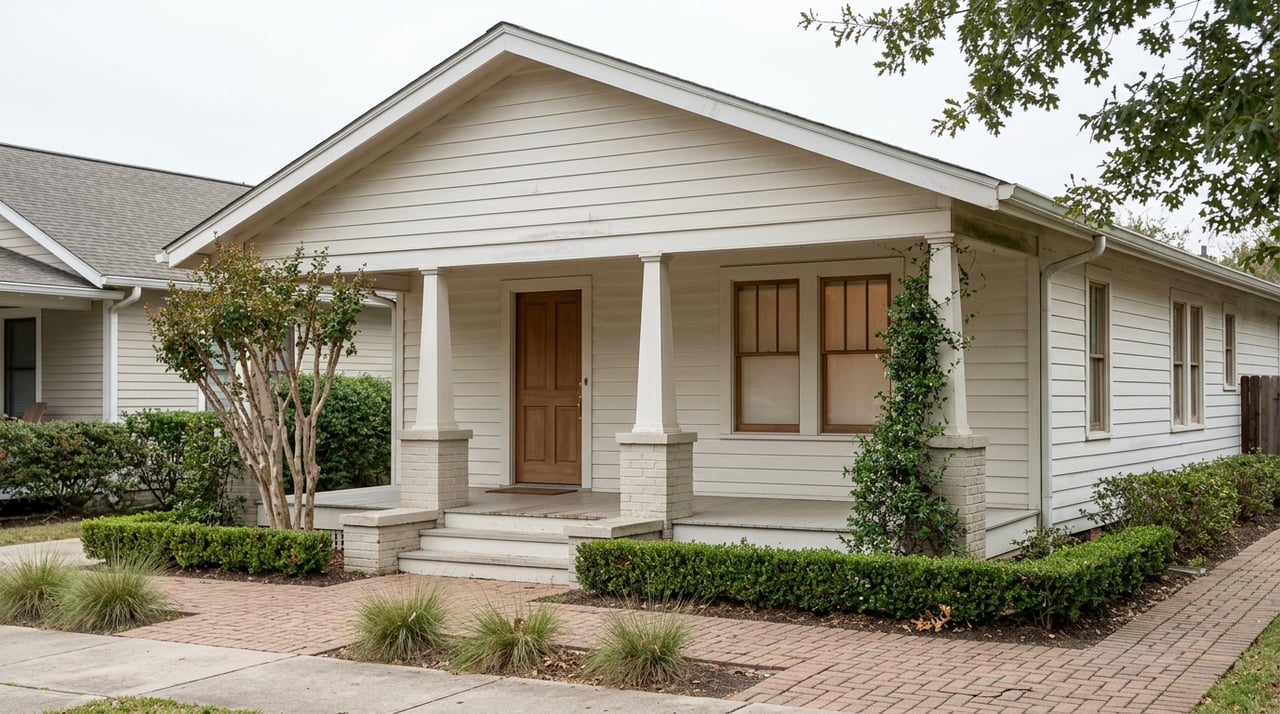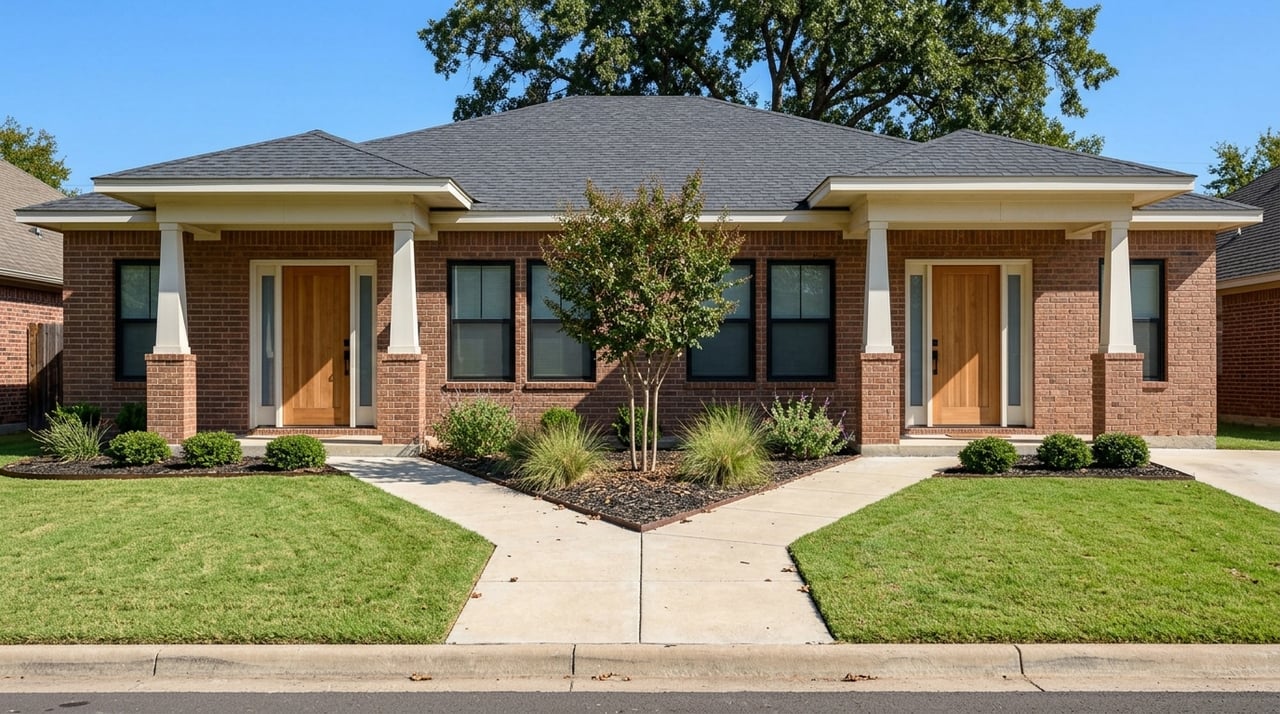
If you want your first home to help pay for itself, house hacking in Farmers Branch may be worth a serious look. The idea sounds simple, live in one part of a property and rent out the rest, but the details matter a lot in this market. If you are thinking about a duplex, a small multi-unit property, or a home with extra space that could produce income, you need to know what is actually allowed before you make an offer. Let’s dive in.
Why Farmers Branch can work
Farmers Branch has a mix of owner-occupied and renter-occupied housing that makes house hacking a practical strategy for some buyers. Recent Census data shows a 42.4% owner-occupied housing rate, a median owner-occupied value of $364,600, and a median gross rent of $1,864. That combination can make offsetting your housing costs with rental income especially appealing.
The city is also compact, with about 36,645 residents across 11.9 square miles and 17,260 housing units. For many buyers, that means you can focus your search without covering a huge area. A mean commute time of 21.6 minutes, along with city emphasis on DART access and walking and biking trails, can also support renter interest in location and convenience.
What house hacking means here
In Farmers Branch, house hacking is not just about finding a property with an extra door or a finished garage. It is about finding a property that the city recognizes as a legal duplex, multifamily building, or rental setup. That distinction can affect financing, permits, taxes, parking, and your ability to lease space after closing.
For that reason, the best opportunities are usually the ones that check three boxes at the same time:
- The property has a legal unit setup
- The site has a realistic parking plan
- Your financing and tax strategy fit owner-occupant mixed use
Zoning matters more than listing language
Check the parcel, not the pitch
A listing may describe a home as flexible, income-producing, or ideal for multigenerational living. Those words do not confirm legal use. Farmers Branch zoning includes residential and multifamily districts such as R-1 through R-6, D-1 and D-2, and MF-1 through MF-4, and the exact parcel zoning can shape what is allowed.
That means you should verify whether the property is a true duplex or multifamily asset, or whether it is really a single-family property with limited rental flexibility. In this market, marketing language should never replace a review of zoning and the property’s legal status.
Planned history can matter too
Even if a property looks like it has more than one living area, you still need to know whether any prior approvals, permits, or planned-development conditions affect its use. A separate entrance, upstairs suite, or converted space may not mean the city treats it as a separate rentable unit. That is why document review matters before you get too far into the deal.
Rental permits and occupancy status
Verify the rental path early
Farmers Branch lists several rental-related categories through its Code Enforcement Permits & Licenses framework, including Single-Family Rental, Short-Term Rental, Multi-Family Rental, and Certificate of Occupancy. For you as a buyer, that is a strong reminder that leasing a unit is not something to assume. You want to confirm the path before closing, not after.
If a seller advertises current rental income, ask for the paperwork trail behind it. That may include permit records, occupancy documentation, or other city approvals tied to the use. If the records do not line up with the marketing, you need to know that early.
Be careful with “separate unit” claims
A bonus room, garage apartment, or private-entry addition may look perfect for house hacking. Still, if the city has not recognized that area as legal rental space, your plan could hit a wall. This is one of the biggest reasons buyers should slow down and verify the facts.
Parking can make or break the strategy
Front-yard parking rules matter
Parking is one of the easiest details to overlook and one of the fastest ways for a house hack to become impractical. Farmers Branch restricts parking or storage on unimproved surfaces in the front yard of single-family, townhouse, and duplex lots or tracts. The city also limits driveway or improved parking surface coverage to 67% of a residential front yard.
That means you should think beyond the number of bedrooms. If two households will live on the property, you need to look closely at how many vehicles the site can reasonably and legally handle.
Walk the parking layout in person
Photos rarely tell the whole story. A property may look workable online but feel very different once you see the driveway width, garage access, curb setup, and actual street conditions. If your plan depends on squeezing in extra vehicles, the property may not be the right fit.
Garage conversions need extra caution
Farmers Branch has extended its Garage Conversion Amnesty Program through July 31, 2026. The city says the program was created to legalize previously unauthorized garage conversions through permit review and inspection. After that deadline, unpermitted conversions become nonconforming.
For buyers, this is a big issue. If a home’s rental setup depends on a converted garage, you should ask whether that conversion was permitted, whether it is currently legal, and whether any review is still needed. A garage conversion can add useful space, but only if the city supports the final result.
Financing options for 2 to 4 units
Owner-occupant financing can open the door
One reason house hacking remains popular is that some owner-occupant loan programs can apply to 1 to 4 unit properties. HUD states that FHA loans are available on 1 to 4 unit properties and may require as little as 3.5% down. For eligible borrowers, the VA says a VA-backed purchase loan can be used for a home with up to 4 units if you live in the property, and these loans also commonly require no down payment.
That can create a more realistic entry point than many buyers expect. Still, underwriting for 2 to 4 unit properties is not the same as a standard single-family purchase, so you should expect more detailed review.
Multi-unit underwriting is different
Fannie Mae has updated guidance related to 2 to 4 unit principal-residence eligibility, which is another sign that these deals are handled differently from a typical single-family transaction. Your lender should model the property based on the actual unit count, your owner-occupancy plan, and any rental income assumptions they can use.
In short, do not build your plan around online mortgage calculators alone. Talk with a lender early so you understand what the numbers really look like.
Property taxes and homestead rules
Your homestead may apply only to your portion
Farmers Branch’s 2025 tax notice shows a proposed city tax rate of $0.631795 per $100 of valuation and an estimated city tax of $2,108.10 on the average homestead at a taxable value of $333,669. That gives you a local baseline for city taxes, but your actual bill will depend on your property and exemptions.
The Texas Comptroller says a residence homestead exemption applies only to your principal residence and cannot be claimed on another homestead. Dallas County Appraisal District also notes that if part of a property is used for rental purposes or not used as homestead space, you should list that area and may claim the exemption only on the occupied portion.
Model taxes before you close
This matters because house hacking blends personal housing and rental use. If you assume a full homestead treatment across the entire property without verifying it, your post-closing math may be off. It is smart to review this with your tax preparer before you finalize the purchase.
Rental income and future sale planning
When you rent part of a home, tax reporting becomes more detailed. IRS Publication 527 explains that rental income and expenses need to be reported and allocated properly when you rent part of a dwelling. IRS Publication 523 also notes that the tax treatment when you sell can depend in part on whether the rental or business area is part of the home or a separate area.
This does not mean house hacking is a bad idea. It simply means you should plan for the full life cycle of the property, from purchase to ownership to eventual sale. The cleaner your records and setup are from the beginning, the better prepared you will be later.
Smart duplex and multi-unit ideas
True duplex living
A legal duplex is often the clearest house hacking setup. You live in one side and lease the other, which can create separation, privacy, and a more straightforward rental arrangement. In Farmers Branch, this can be a strong option if zoning, permits, and parking all support the property’s use.
Small multifamily ownership
A 3 or 4 unit property can increase income potential, especially if you want more than one rental stream while still occupying the property. The tradeoff is that financing, management, and inspections may become more complex. You need a stronger numbers-first approach for this type of purchase.
Single-family with legal rental flexibility
Some buyers look for a single-family home with space that may support limited rental use. That can work in the right situation, but this is where legal status becomes especially important. If the city does not recognize the setup the way you need it to function, the property may not be a true house hack opportunity.
Your Farmers Branch checklist
Before you move forward on a duplex or multi-unit idea, use this checklist:
- Confirm the legal unit count and parcel zoning
- Ask for the permit history and certificate-of-occupancy trail
- Verify whether any garage conversion was properly reviewed or legalized
- Check the parking layout in person
- Ask your lender to model the deal using the correct occupancy and unit type
- Review homestead and rental-use assumptions with a tax professional
- Question any listing that promises income without clear city support for the setup
Why local guidance helps
House hacking in Farmers Branch can be a smart move, but it is rarely a plug-and-play purchase. The best deals are often the ones where the legal use, physical layout, and financing plan all line up cleanly. If even one of those pieces is off, your budget or rental plan can change fast.
That is why buyers benefit from a local, detail-driven approach. You want someone who can help you move quickly when an opportunity is real, while also helping you slow down when a listing raises zoning, permit, or parking questions.
If you are exploring duplexes, 2 to 4 unit properties, or homes with income potential in Farmers Branch, Chris Holmes-Hill can help you evaluate the opportunity with a practical, market-savvy approach.
FAQs
What does house hacking in Farmers Branch usually mean?
- In Farmers Branch, house hacking usually means you live in one part of a property and rent out another part, often in a duplex, small multi-unit property, or legally approved rental setup.
What should buyers verify before buying a duplex in Farmers Branch?
- You should verify zoning, legal unit count, permit history, certificate-of-occupancy status, and whether the parking layout can realistically support more than one household.
Can you use an FHA loan for a multi-unit property in Farmers Branch?
- HUD says FHA loans are available on 1 to 4 unit properties and may require as little as 3.5% down if you meet program guidelines.
Can eligible buyers use a VA loan for a 2 to 4 unit property in Farmers Branch?
- Yes, the VA says eligible borrowers can use a VA-backed purchase loan for a home with up to 4 units if they live in the property.
Why are garage conversions important for house hacking in Farmers Branch?
- Garage conversions can affect whether a property has legal rental space, and Farmers Branch has a Garage Conversion Amnesty Program through July 31, 2026 for certain previously unauthorized conversions.
How do homestead exemptions work for house hacking in Dallas County?
- The Texas Comptroller and Dallas County Appraisal District indicate that a homestead exemption applies to your principal residence, and if part of the property is used as rental space, the exemption may apply only to the occupied portion.
Why is parking such a big issue for duplex and multi-unit ideas in Farmers Branch?
- Farmers Branch limits certain front-yard parking and driveway coverage, so a property that looks workable online may not support the number of vehicles two households actually need.