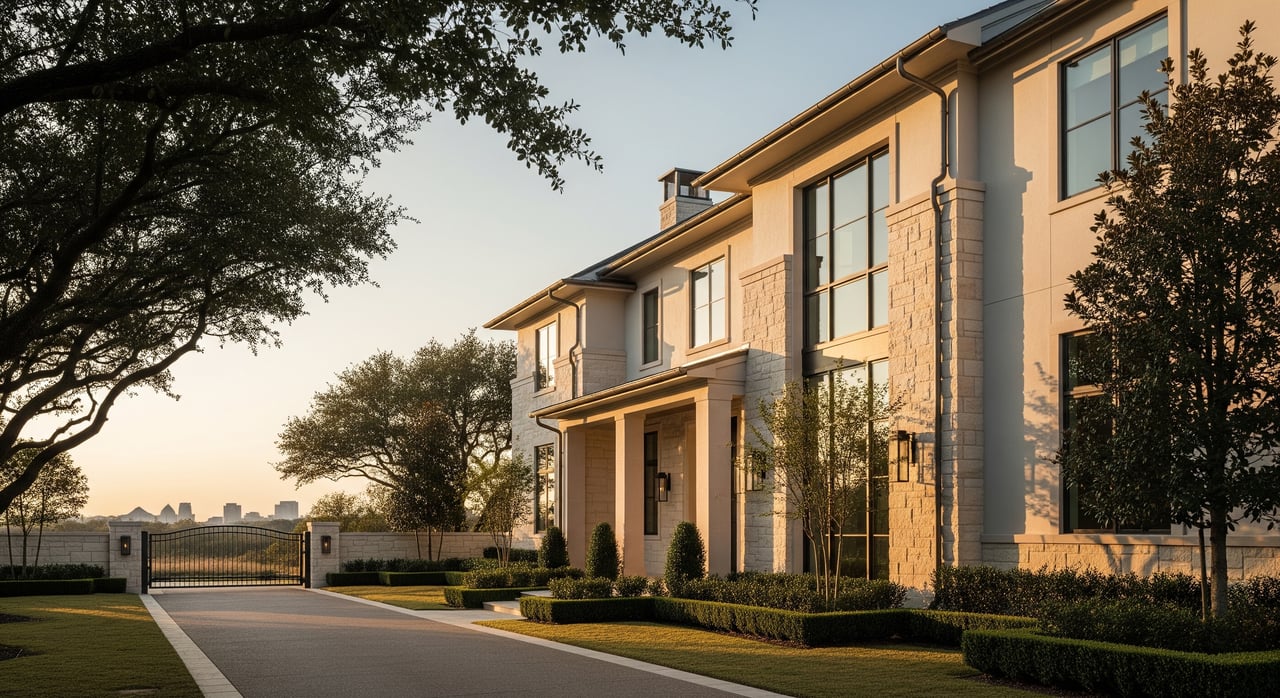
Moving to Plano but not sure which part fits you best? You’re not alone. Plano covers a lot of ground, and each pocket offers a different mix of commute options, housing styles, and everyday amenities. In this guide, you’ll learn how the city is laid out, what each area feels like, and a simple process to narrow your search and tour with confidence. Let’s dive in.
Plano at a glance
Plano sits in Collin County just north of Dallas in the larger DFW metro. It’s both a residential suburb and a major employment center, thanks to corporate campuses clustered in West Plano and the Legacy area. This unique mix shapes local demand, traffic patterns, and the feel of neighborhoods across the city.
You’ll find a wide range of homes here. East and South Plano tend to have older, established neighborhoods with smaller lots. West and parts of North Plano offer larger lots and newer construction. Downtown and Legacy West bring walkable, mixed-use living with dining and shopping close by. Understanding these tradeoffs will help you focus quickly.
Compare Plano’s main areas
West Plano and Legacy West
Day-to-day feel: An urban-suburban blend with walkable retail, restaurants, and evening activity. Weekdays are lively with nearby office campuses.
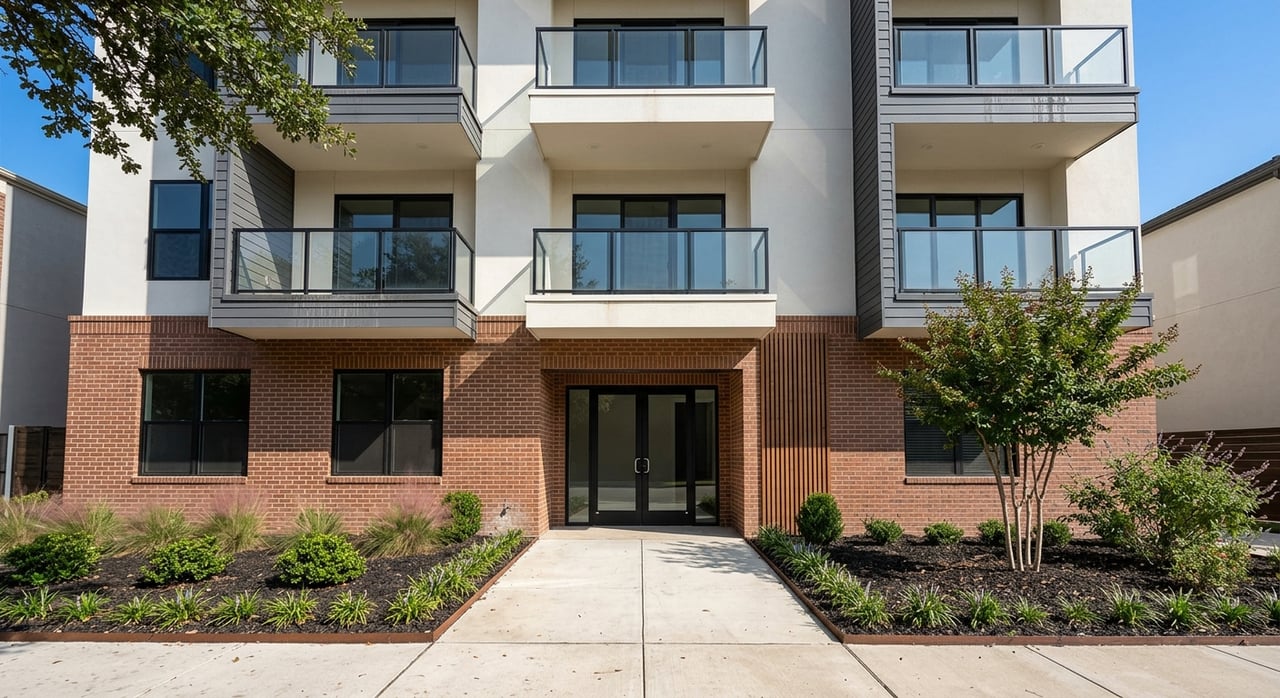
Housing: Newer luxury single-family homes, gated enclaves, high-end townhomes and condos, plus upscale apartments. Larger lots appear toward the western edges.
Best for: If you want short commutes to Legacy campuses, higher-end finishes, and the ability to walk to dining and shopping.
Commute: Quick access to the Dallas North Tollway makes it convenient for trips across northern DFW.
Historic Downtown Plano
Day-to-day feel: A village-like Main Street environment centered on Haggard Park and 15th Street, with local shops, restaurants, and community events.
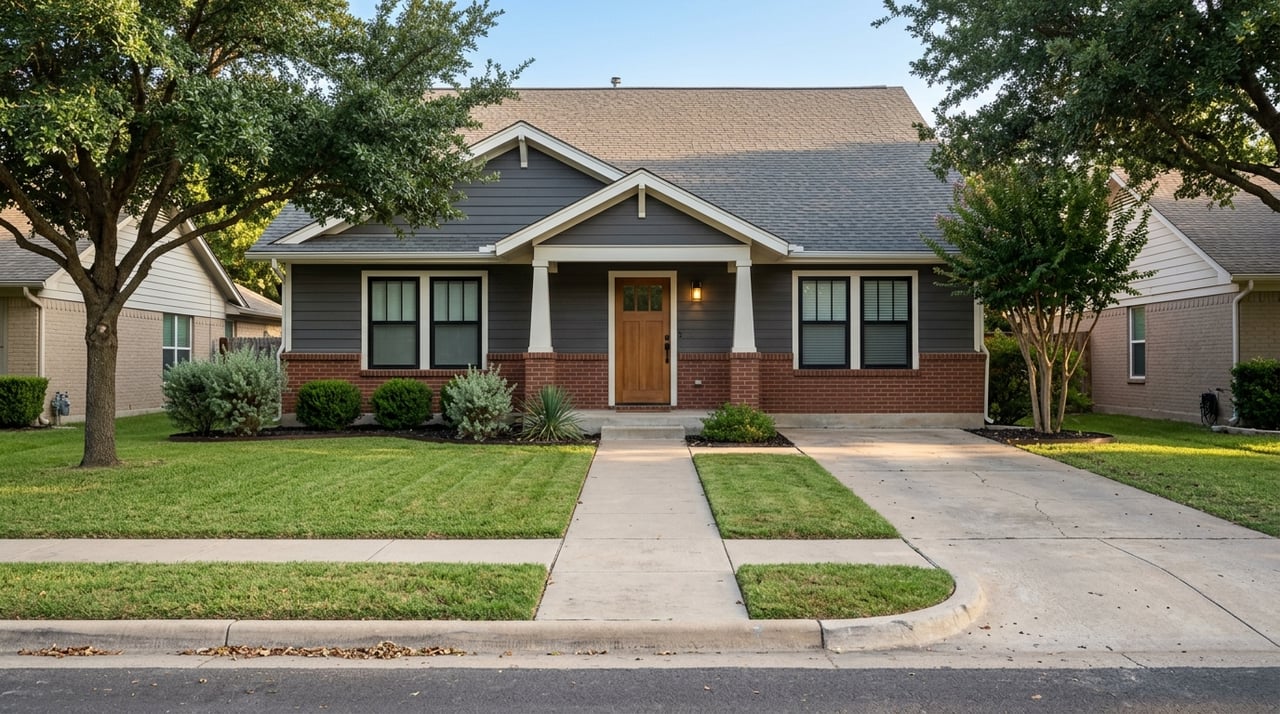
Housing: Older bungalows and ranch-style homes, renovated cottages, and new townhome infill on smaller lots.
Best for: If you value character homes and walkability in a close-knit setting without needing a large yard.
Commute: DART Red Line serves Downtown Plano, offering an alternative to driving for select commutes to Dallas.
North Plano
Day-to-day feel: Suburban residential with newer subdivisions as you move north, easy access to parks and community amenities, and quieter streets.
Housing: Newer single-family homes, some larger lots, and a light master-planned feel near the northern edge.
Best for: Buyers seeking newer construction, room to grow, and proximity to parks.
Commute: Good access to major arterials and a reasonable drive to northern job centers.
East Plano and the US-75 corridor
Day-to-day feel: Established neighborhoods along Central Expressway with varied housing and long-standing commercial strips.
Housing: Mid-century single-family homes on smaller lots, with some duplexes and apartments.
Best for: First-time buyers and value-focused move-up buyers who want a more affordable entry point and a direct route to central Dallas via US-75.
Commute: US-75 is the primary north-south route; traffic is heaviest at peak hours.
South Plano and the PGBT corridor
Day-to-day feel: A mix of residential streets and retail nodes with strong connectivity to major toll roads.
Housing: Older to mid-age single-family homes, plus townhomes near commercial corridors.
Best for: Buyers who prioritize value and flexible commuting options across the metro via the President George Bush Turnpike.
Commute: PGBT provides efficient east-west access and connections to airports and other tollways.
Edges and nearby suburbs
Day-to-day feel: Plano’s borders blend into Frisco and Allen to the north and northwest, with newer master-planned areas in adjacent cities. East Plano connects with Richardson’s Telecom Corridor and nearby university activity.
Housing: Mix of Plano border neighborhoods and extensive new development just outside the city.
Best for: If you’re comparing schools, taxes, and commutes across multiple suburbs or want newer master-planned options nearby.
Commute and transit basics
- Primary corridors: US-75 on the east side, Dallas North Tollway in the west, and President George Bush Turnpike along the south. Arterials like Park Boulevard, Spring Creek, Preston Road, and Legacy Drive connect the grid.
- Traffic patterns: Peak-hour congestion is common on US-75 and the Tollway. Proximity to these roads often determines commute simplicity.
- Transit: DART’s Red Line serves parts of Plano, including Downtown. Bus coverage exists but most residents rely on personal vehicles.
- Airports: You can reach Dallas Love Field and DFW International via tollways and connector highways, with travel time varying by your starting point.
Schools, parks, shopping, and daily needs
- Schools: Much of the city is served by Plano ISD. Performance and programs vary by attendance zone, and boundaries can change. Always verify the current school assignment for a specific address directly with the district.
- Parks and recreation: Plano offers large preserves, multi-use trails, dog areas, and waterfront or natural spaces. Neighborhood parks, recreation centers, and community pools are common, and many newer subdivisions include HOA amenities.
- Shopping and dining: Legacy West and the Shops at Legacy offer walkable, high-end retail and restaurants. Historic Downtown Plano adds independent shops and events. Big-box retail and regional malls are spread across the city for day-to-day errands.
- Healthcare: Multiple hospitals and medical centers are located in and around Plano, which is helpful for families and older buyers who prioritize proximity.
What homes cost, relatively speaking
While prices shift with the market, you can expect general tiers:
- Higher-end: West Plano, Legacy West, and select gated communities with newer homes and luxury townhomes/condos.
- Mid-range: North Plano and parts of South Plano, offering modern subdivisions and resale homes on moderate lots.
- More affordable pockets: East Plano and some older South neighborhoods, where you’ll find older homes, smaller lots, and more variation in condition.
Newer construction is concentrated near growth corridors in the northwest and around Legacy West, while older neighborhoods are mostly resale. Ownership costs include Collin County property taxes and any HOA fees, which can meaningfully affect your monthly budget. Also review insurance and whether a property sits near creeks or low-lying areas that warrant a flood risk check.
How to choose your best-fit area
Use commute and schools as early filters. These two factors usually narrow your map quickly, then you can fine-tune by housing type and lifestyle.
Pre-shortlist checklist
- Commute target: Set your maximum daily drive time or transit time to your employer and how often you go in.
- School priorities: Identify preferred districts or programs and confirm attendance zones for any specific address.
- Housing and lot size: Decide between single-family, townhome, or condo, and define your yard or outdoor needs.
- Lifestyle and amenities: Note your must-haves such as walkability, parks, dining, grocery stores, and pet needs.
- Budget guardrails: Determine your price range and estimate taxes, HOA fees, insurance, and utilities.
- Timing: Consider whether you need immediate move-in or if you can wait for new construction.
Plan an efficient scouting trip
- Virtual pre-screening: Use video tours and floor plans to rule out homes before you fly or drive in.
- Map-drive loop: Group showings by corridor, like West Plano and Legacy together, to reduce backtracking.
- Peak-time checks: Drive the commute in the morning and evening to test your tolerance for traffic.
- Walk the block: Visit nearby parks, grocery stores, schools, and the closest on-ramp to see how life will feel.
- Bring a local planner: Work with an agent who knows Plano’s zoning, HOA rules, and tax nuances to steer you away from red flags.
- Document and compare: Use a simple scorecard for commute time, school zone, lot size, HOA details, and any maintenance concerns.
Resale and investment considerations
- Neighborhood trends: Review recent sales and days on market for the specific subdivision, not just the ZIP code.
- Job centers and projects: Proximity to major employers, new retail, and planned road work can impact appreciation and convenience over time.
- Rental potential: If you may convert to a rental later, review local rent levels and vacancy trends for the area.
Ready to make a move?
Choosing the right pocket of Plano is about matching your commute, home style, and lifestyle to the area that fits best. If you want a teammate to help you shortlist, tour efficiently, and negotiate with confidence, connect with Chris Holmes-Hill. Let’s make your Plano move smooth and successful.
FAQs
What are the main differences between West, North, East, and South Plano?
- West is higher-end and walkable near Legacy; North skews newer with parks; East offers more affordable, established homes near US-75; South blends value with tollway access.
How’s the commute from Plano to Dallas or northern suburbs?
- Commute ease depends on proximity to US-75 or the Tollway and time of day, with peak hours busiest and tollways often the fastest options.
Does Plano have public transit I can use daily?
- DART’s Red Line serves parts of Plano, including Downtown, but coverage is limited so most residents rely on driving.
Which Plano areas tend to have newer construction?
- North Plano and parts of West Plano, especially near Legacy West and the northwest growth corridors, offer the most recent builds.
Where should first-time buyers start in Plano?
- Many first-time buyers explore East Plano and some South Plano pockets for value, focusing on older homes with smaller lots and evaluating condition carefully.
How do I confirm a school zone for a specific Plano address?
- Check current district boundary maps directly with the school district and verify with the district before making an offer, since boundaries can change.
What ownership costs should I factor in beyond price?
- Budget for Collin County property taxes, any HOA fees, insurance, utilities, and a flood risk review if the property sits near creeks or low-lying areas.