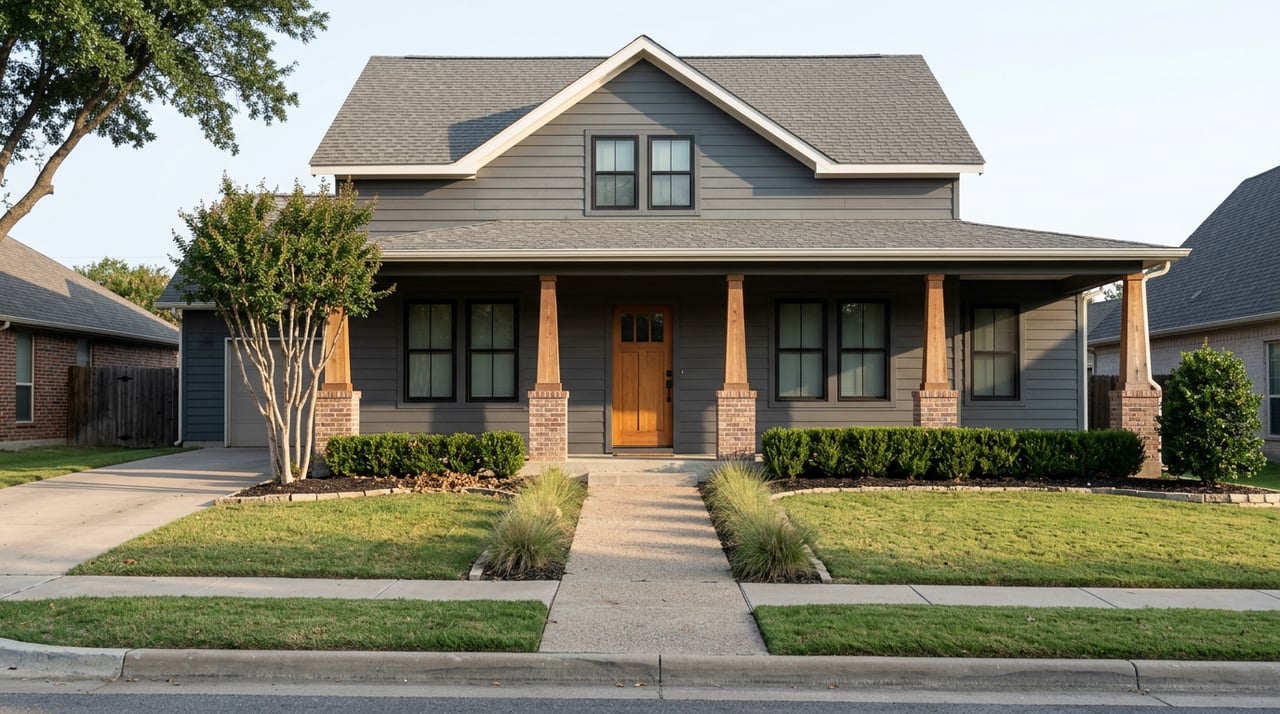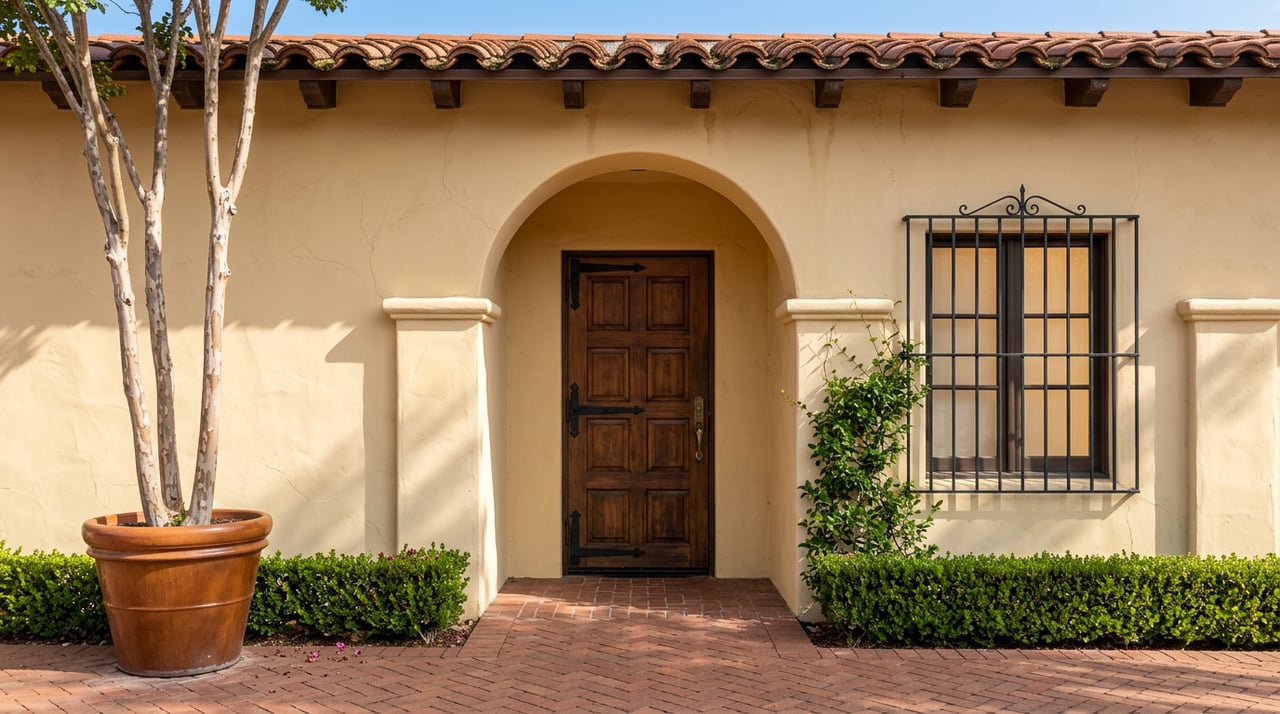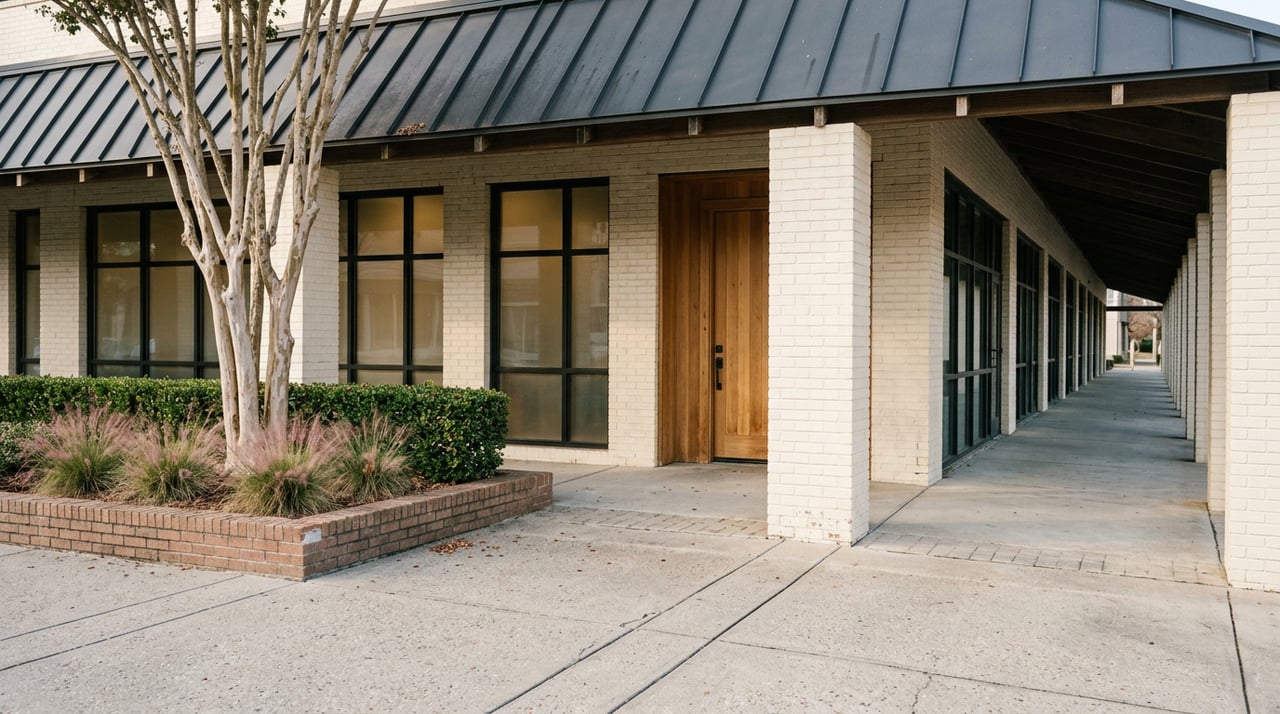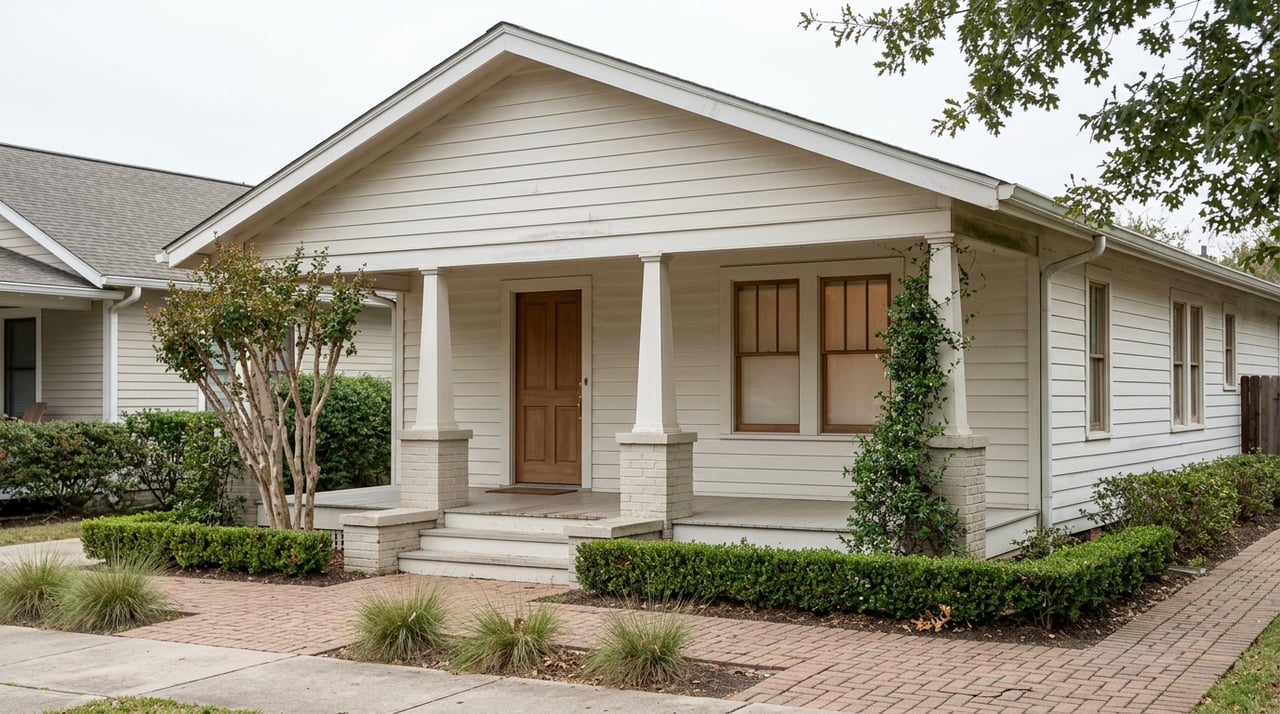
Walk the 49 blocks of Bishop Arts today and you're standing on almost the same footprint that existed a decade ago. No new towers. No parking garage retail wrapped around a fresh foundation. The conservation district rules that protect these bungalows and storefronts mean the neighborhood can't sprawl, and it hasn't tried to. Yet ask anyone who eats here weekly and they'll tell you the restaurant roster has turned over so fast this year that keeping a mental map feels pointless.
That's the actual story. Bishop Arts isn't expanding. It's recycling, and it's recycling fast, because a fixed number of storefronts in a historic district means every closure becomes a contest for the same small stock of addresses.
The Closures That Made Room
The neighborhood lost several names that had been fixtures for years: Boulevardier, Greek Cafe, Krio, and Âme all closed within the same stretch, along with Isla & Co. In most Dallas neighborhoods that kind of turnover would just mean empty storefronts sitting for a season. In Bishop Arts, where retail space has been described as some of the district's most coveted real estate, a vacancy doesn't last. It gets treated as an opening in the truest sense, one that operators from across the city are already watching for.
That's the mechanism worth understanding if you live here. The district isn't attracting restaurants because there's more room. It's attracting them because there's so little room that landing a lease here has become a signal of having already made it somewhere else first.
Where the New Tenants Are Actually Coming From
Look at who filled those gaps and a pattern shows up immediately. Almost nobody opening in Bishop Arts right now is a first-time restaurant operator testing a concept. They're proven names bringing an already-working idea into a tighter, more competitive footprint.
| New arrival | Where it came from | What filled |
|---|---|---|
| Pane Nostro | McKinney | Former CocoAndré Chocolatier house |
| Komé (sister concept) | The Hill development | Former Isla & Co. space |
| Whisk Crepes Cafe | West Dallas | Standalone relocation into the district |
| Ateliê | Culinary Director role at The Charlotte on Henderson Avenue | New concept, bistro and gallery combined |
| Trapeze | Deep Ellum (Ruins, Armoury D.E.) | Renovated bungalow at 240 W. 8th St. |
Pane Nostro's managing partner told the Oak Cliff Advocate the move had been the plan for a while, and that the timing had simply arrived. That's a telling detail. These aren't operators discovering Bishop Arts. They're operators who wanted in years ago and waited for a door to open.
Trapeze is the clearest example of how much weight a single address can carry. The concept comes from Peter Novotny and Dan Murry, the team behind two established Deep Ellum spots, and it landed inside a bungalow that required a nearly complete rebuild behind a preserved historic face. The kitchen is led by Jeremy Spector, a chef with time at Balthazar and Gramercy Tavern in New York. That's not a neighborhood testing whether a concept works. That's a neighborhood where a national-caliber chef planted his next project inside a hundred-year-old house because the house was the only way in.
Why the Building Itself Can't Just Expand
Part of what makes this feel strange from the outside is that Bishop Arts looks, physically, almost unchanged. That's not an accident. The district's conservation status means a project like Trapeze can't simply demolish and rebuild to modern specs. The exterior has to maintain the home's original look even while the interior gets gutted and reconstructed. Novotny has described the renovation as close to a full rebuild behind the walls, with the entire exterior redone to match what was already there.
That constraint is the whole reason the churn feels so fast. In a neighborhood with room to build outward, a hot new restaurant scene usually shows up as new construction alongside the old. Here, the only way to add a new concept is to remove an old one first. The physical inventory of storefronts and bungalows in Bishop Arts is close to fixed, so every arrival is paired with a departure, and the timeline compresses into something that reads, from a few blocks away, like constant reinvention.
What This Actually Means If You Live Here
The neighborhood you knew two years ago is not going to look structurally different two years from now. No high-rise is landing on Bishop Avenue. What will keep changing is who's behind each door, and how quickly.
If your routine already runs through this neighborhood, that has a few practical edges worth knowing:
- The Wild Detectives still has the largest backyard patio in the district if you're bringing a dog, and Eno's Pizza Tavern's covered sidewalk seating is a reliable second option on nights when the backyard is full.
- Oddfellows does not take reservations for brunch, and a 45 to 60 minute wait on a Saturday is normal, not a sign anything's gone wrong.
- Lucia releases reservations 30 days out, and they don't last long once they're up. If there's a night you want that table, put it on your calendar now rather than the week of.
None of that changes because a new name has moved in down the block. What does change is your list of default options, and that list is turning over faster than the neighborhood's skyline ever will.
The Reservation Squeeze Is the Same Story, Just Smaller
The same fixed-inventory logic that governs storefronts governs tables. When a proven operator lands in a neighborhood that can't add square footage, the seats inside that concept become harder to get, not easier, because demand from an already-loyal following arrives on day one. Lucia's 30-day reservation window and Oddfellows' brunch line aren't just quirks of popular restaurants. They're what happens when a genuinely competitive concept opens inside a neighborhood that has no capacity to build a second location down the street to absorb the overflow.
That's worth sitting with if you've noticed reservations getting harder to land this year. It's not that Bishop Arts got more popular in the abstract. It's that the number of tables available to satisfy that popularity is capped by a conservation district that isn't adding buildings, and every new arrival is competing for a slice of a supply that hasn't moved.
The Read
Bishop Arts will keep looking, from the street, like the same 49 blocks it's always been. The bungalows will keep their facades. The sidewalks won't widen. What's actually moving is a rotation of already-successful concepts from Deep Ellum, McKinney, West Dallas, and Henderson Avenue, each one treating a Bishop Arts address as an upgrade worth waiting for. If you live here, the neighborhood's physical shape is the most stable thing about it. Everything happening behind the doors is the part that won't sit still.
If you're watching this kind of shift and wondering what it means for property values or timing a move within Oak Cliff, that's a conversation worth having before the next storefront changes hands. Chris Holmes-Hill tracks these patterns across Dallas neighborhoods as they happen, not after they've already reshaped a block. Let's Connect.