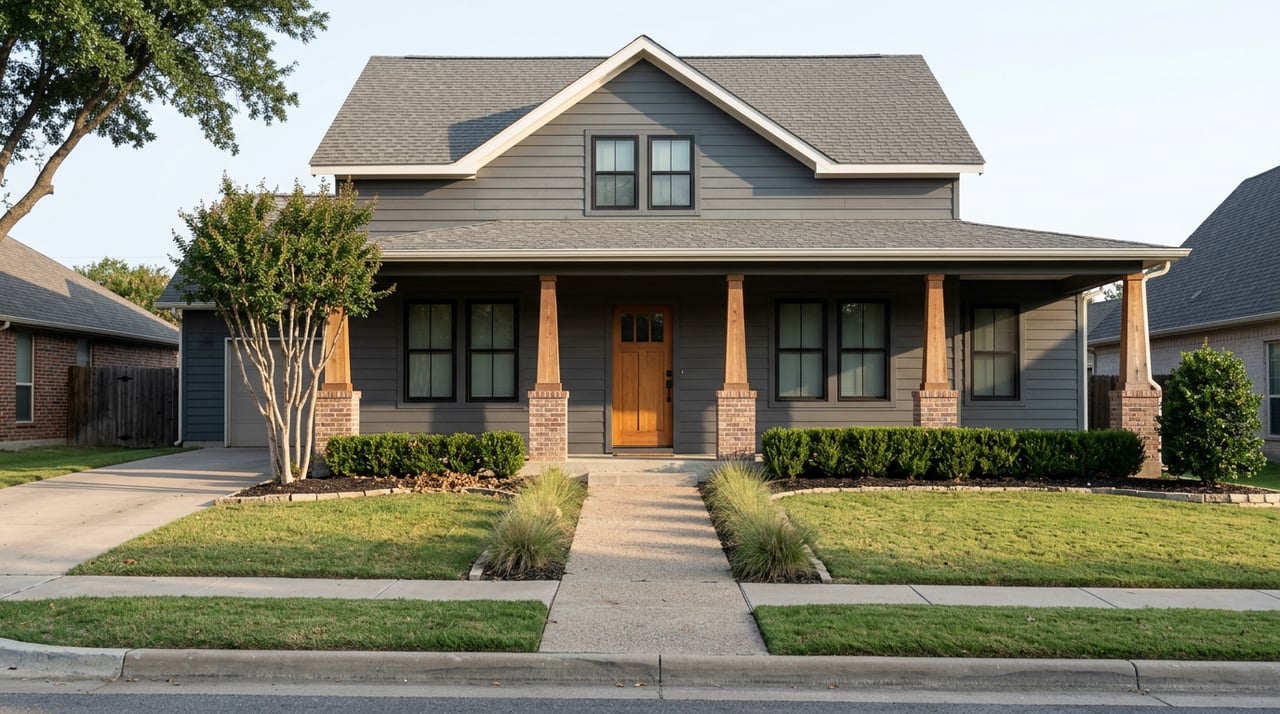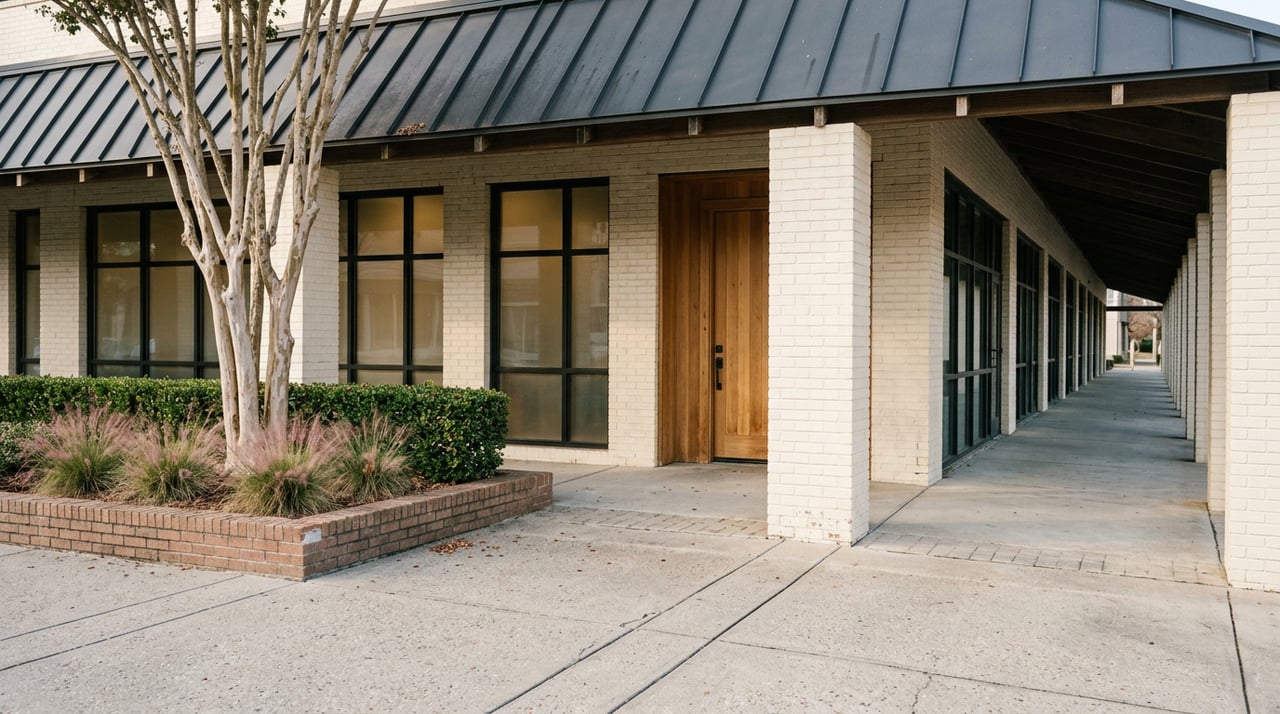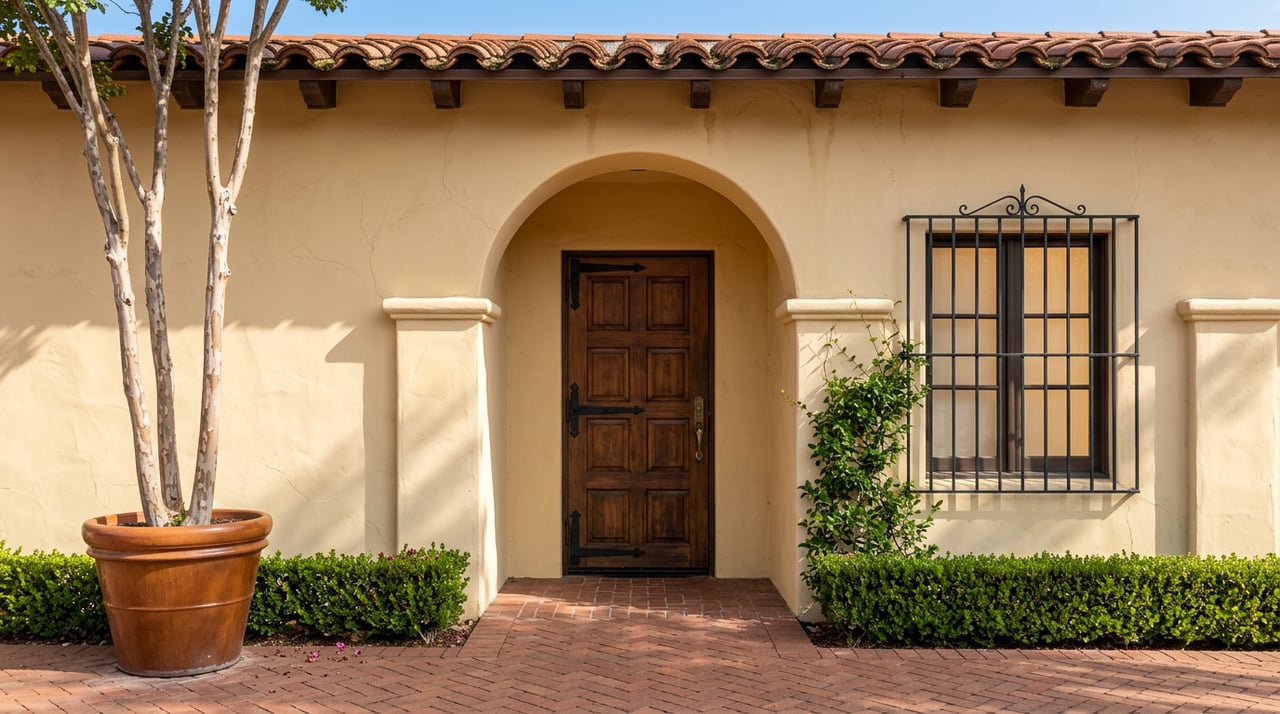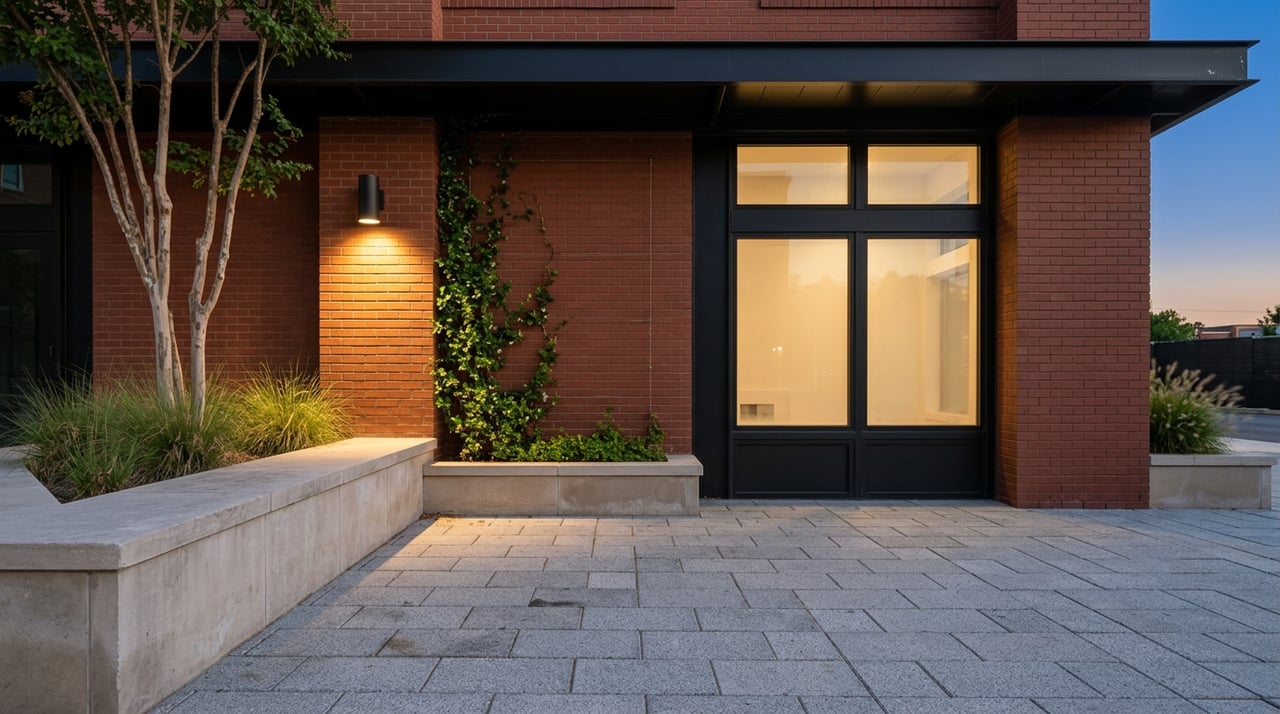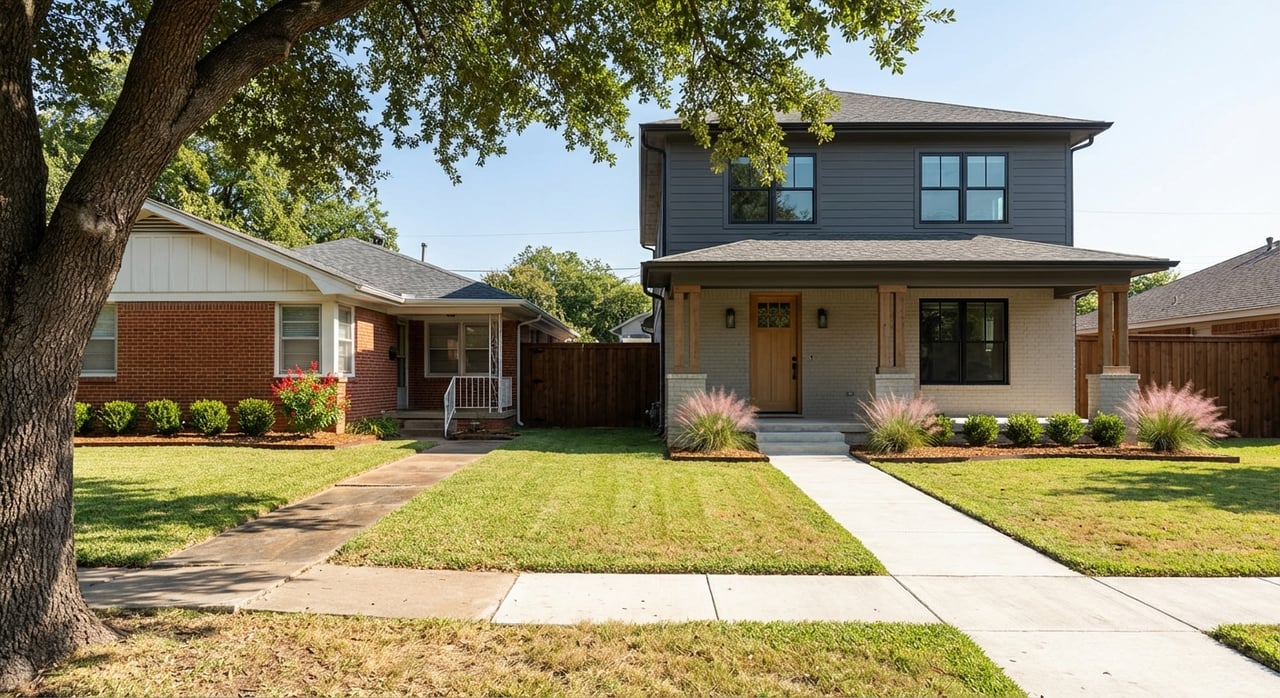
Torn between the shine of a new build and the character of a classic University Park home? It is a great problem to have. You want a home that fits your lifestyle, budget, and timeline in one of the most sought-after pockets of Dallas County. In this guide, you will compare what you get with each path, how the process works in University Park, and what matters most for resale. Let’s dive in.
University Park at a glance
University Park is a compact, high-value city of about 3.7 square miles beside Southern Methodist University, with roots that go back to the 1920s and 1940s. Its tree-lined streets and neighborhood hubs like Snider Plaza shape the area’s strong sense of place. You can explore the city’s history and development through resources from the Texas State Historical Association and local media that highlight the area’s small-town feel within Dallas. For background, see the TSHA overview of University Park’s early growth and identity and this D Magazine feature on Snider Plaza’s neighborhood character.
This is also a low-inventory, premium market. As of January 2026, the reported median sale price was roughly $2.885 million, with only a few dozen single-family listings active at a time. Lots vary by block, with many parcels starting around roughly 0.15 acre and some teardown lots often described in the 60 to 75 foot width range. A local relocation guide offers a helpful overview of lot patterns and architectural styles.
Highland Park Independent School District serves University Park and is frequently cited by buyers as a driver of long-term demand. The district reports strong accountability results. You can read more on HPISD’s performance and recognition.
New construction vs classic charm: quick comparison
| Factor | New Construction | Classic/Character Home |
|---|---|---|
| Purchase tendency | Often priced in the multiple-million-dollar range, especially for larger custom builds | Prices vary widely by lot, location, and level of renovation |
| Size and layout | Larger conditioned square footage, open-concept plans, multi-car garages | Cozier footprints, defined rooms, unique built-ins; many have tasteful updates |
| Systems and energy | Newer mechanicals, smart-home features, modern insulation and windows | Systems may be older or recently upgraded; performance varies by age and scope of updates |
| First 5-year maintenance | Generally lighter due to new systems and builder warranties | Plan for ongoing upkeep; older roofs, plumbing, or electrical may need attention |
| Timeline to move | Move-in at completion or on builder’s schedule; new builds require permits and inspections | Many are move-in ready; larger updates or additions add time |
| Permits and process | City plan review and permits are required; demolition permits if rebuilding | Permits needed for substantial renovations or past unpermitted work |
| Resale drivers | Design that fits the block and lot size; thoughtful curb appeal | Lot, location, curb appeal, and quality of renovations carry strong weight |
If you expect to renovate or build, bookmark the City of University Park’s Building Permits page for submittal steps and contacts.
If you choose new construction
What you get
New builds in University Park often deliver tall ceilings, open kitchens, contemporary baths, larger primary suites, and integrated tech. You also benefit from newer mechanicals and builder warranties. Ask for the warranty booklet and learn what is covered for workmanship, systems, and structure, plus how claims work.
Costs and timelines in University Park
If you are buying a teardown lot and building, your schedule will include design, city plan review, and inspections. University Park requires permit submittals for most new homes and substantial remodels, and it encourages complete plans plus a pre-review meeting to streamline changes. Review the city’s residential process on the Building Permits page.
If a prior house must come down, the city charges a residential demolition permit fee. You can see the municipal code and fee references in the City of University Park code library. Fees, processing times, and documentation affect your start date, so confirm current steps with your builder and the city.
Land value is a major driver here, especially for desirable blocks and wider lots. It is common for buyers to evaluate a purchase as land value plus build cost when comparing options.
Key questions to ask about a new build
- Who is the builder, and what are the warranty terms and claims process?
- What finishes are standard, and which are upgrades with added cost?
- What is the estimated completion date, and how will the punch list be handled?
- How will drainage, tree protection, and landscaping be completed and maintained?
- If buying a lot, what are the demolition permit requirements and any heritage rules that could apply? See the city’s permit resources and the code library for references.
If you choose a classic University Park home
What you will love
Classic homes in the Park Cities offer curb appeal that is hard to copy: Tudor and Colonial facades, period millwork, brick details, and mature trees. Many sit near neighborhood hubs like Snider Plaza and parks, and some have larger lot-to-house ratios that feel generous.
Inspection and maintenance focus
Older homes can be wonderful, but you should plan for due diligence. Common items to review include roof age, original plumbing, dated electrical panels, HVAC condition, drainage and grading, and any foundation movement or pest history. For a helpful overview of typical hidden costs in older homes, see this practical guide to buying an older house and common issues.
If the home was built before 1978, federal law requires disclosure of known lead-based paint hazards. Buyers and sellers must also receive the EPA and HUD lead pamphlet. Read the EPA summary of the Lead-Based Paint Disclosure Rule.
Renovate or rebuild?
Many classic homes can be expanded or re-planned through additions or interior reconfiguration. The decision weighs structure, systems, budget, and your timeline. In some cases, developers choose teardowns for economic reasons. At the same time, there is real local interest in preserving neighborhood character, a theme that surfaces in reporting on demolition and redevelopment around Snider Plaza. Your design choices will be strongest when they respect the street’s scale and rhythm.
Key questions to ask about a classic home
- What year was it built, and when were the roof, HVAC, electrical panel, and water heater last replaced?
- Were past renovations permitted? If not, why? Start with the city’s permit page when you verify.
- Any known termite history or recent WDI report?
- Are there lead paint records or testing results? See the EPA disclosure rules for context.
- How long has the seller owned the home, and what maintenance records can they share?
- Is there any foundation or settling history, or engineering reports?
Resale realities in University Park
Lot and location drive value here more than trend finishes. Buyers often pay premiums for well-located, move-in ready homes within the district. For new builds, compatibility with the block and a balanced, timeless design can support stronger resale. For classic homes, curb appeal, smart updates, and a strong lot carry weight. School district recognition adds to demand over time. You can explore HPISD’s performance context as you weigh your long-term outlook.
Smart showing checklist
Bring a simple checklist to every showing. It keeps you focused on the big-ticket items that affect comfort, cash flow, and risk.
- For any home: ask about recent inspections or available warranties, property tax history, nearby comparable sales, recent utility costs if available, drainage or flood history, and any recorded easements or restrictions.
- Walk the exterior: look at the roofline for sagging, confirm gutters discharge away from the house, and check that soil slopes away from the foundation.
- Inside: look for ceiling stains or patchwork, open the electrical panel to note breaker type and labels, check water pressure and hot-water timing, and test a sample of windows and interior doors.
- For older homes: ask about plumbing material, electrical updates, HVAC age and duct condition, termite reports, and any foundation evaluations.
- For new builds: review the schedule of allowances, confirm final finish selections, and discuss the punch list and closeout process with the builder.
How to make the call
Use these prompts to match the right home to your goals:
- Timeline. Do you need move-in ready now, or can you wait through design, permits, and construction?
- Maintenance tolerance. Do you want light upkeep in the first few years, or are you open to phased updates?
- Budget. Do you prefer to pay a premium for turnkey, or would you rather buy character and invest in targeted improvements over time?
- Lifestyle. Do you value period details and mature landscaping, or are open rooms and integrated tech more important?
- Resale. Does the lot size, street, and overall curb appeal set you up well for the future?
Ready to compare specific homes and see the tradeoffs in person? Connect with Chris Holmes-Hill to map your options and move forward with confidence.
FAQs
What makes University Park different from nearby Dallas neighborhoods?
- It is an independent city within Dallas County with a compact footprint, tree-lined streets, and neighborhood hubs like Snider Plaza, shaped by growth in the 1920s and 1940s. See the TSHA overview.
How long does new construction usually take in University Park?
- Timelines vary by design and builder, but you should plan for design, city plan review, permits, and inspections. Start with the city’s Building Permits guidance to understand submittals.
Do I need a demolition permit to rebuild on a University Park lot?
- Yes, residential demolitions require permits and associated fees. You can review references in the city’s code library and confirm current steps with the Permit Office.
What inspections matter most for an older University Park home?
- Focus on roof, plumbing, electrical, HVAC, drainage, foundation, and pest history, and follow federal rules for pre-1978 homes. Read the EPA summary of lead-paint disclosure.
How do schools affect resale in University Park?
- School district recognition is a key driver of long-term demand. Review HPISD’s reported performance as part of your decision.
What is the appeal of Snider Plaza for nearby buyers?
- Snider Plaza is a historic neighborhood center that adds convenience and community feel. D Magazine captures that context in its look at Snider Plaza’s character.